
In The News
The Ministry of Higher Education, Science, Research and Innovation (MHESI) collaborates with ASU and SIA to establish a workforce base and drive the Thailand Semiconductor Roadmap.
Published:January 7, 2026, 13:32 amend:January 7, 2026, 2:11 PM By: Manager Online
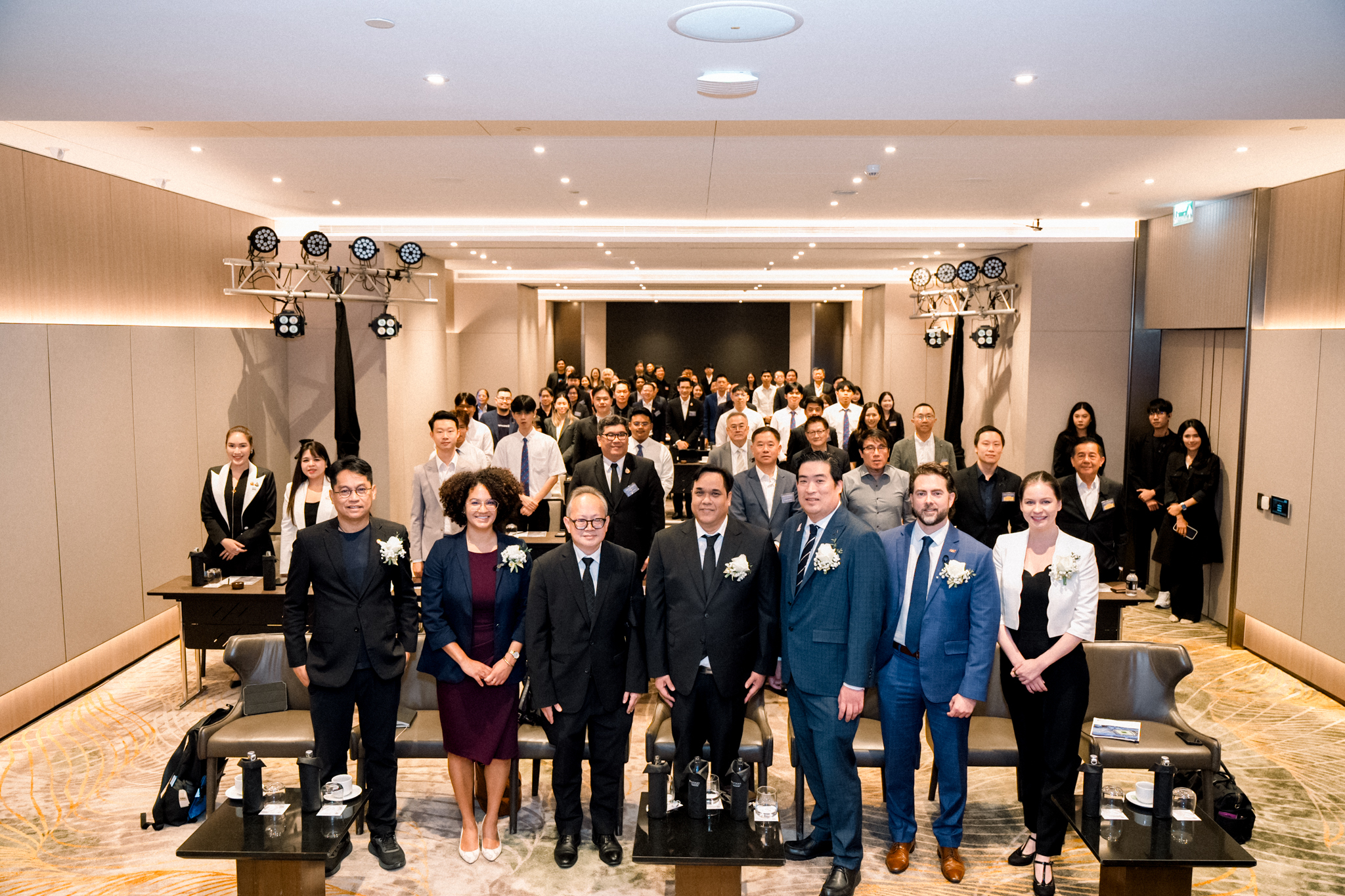
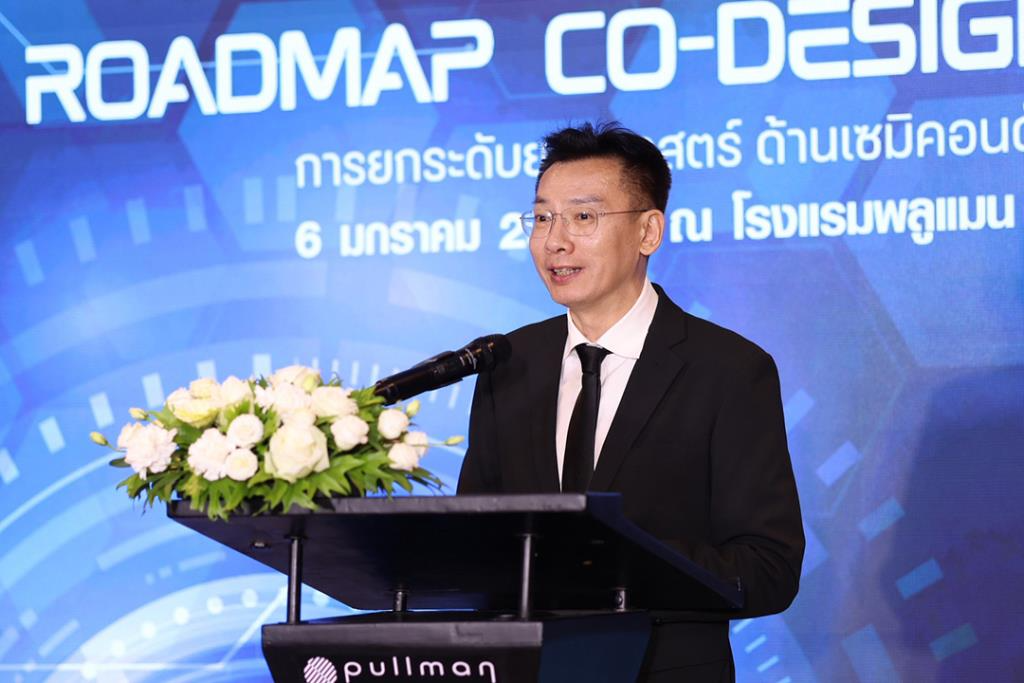
The Ministry of Higher Education, Science, Research and Innovation (MHESI) organized the Thailand Semiconductor Roadmap Co-Design Workshop on January 6, 2026, at the Pullman King Power Hotel, Bangkok. Representatives from government agencies, industry, educational institutions, and national partners participated to brainstorm and guide Thailand's semiconductor industry from policy to implementation. Professor Dr. Supachai Pathumnakul, Permanent Secretary of MHESI, stated in his closing remarks that the workshop was designed as a "real-world working platform" systematically linking policy, industry, and the higher education system. MHESI will serve as a central mechanism to integrate the outcomes of this workshop into policy direction and human resource development for the next phase.
"The success of the Thai semiconductor industry depends on the coordinated work between policy, industry needs, and human resource development, which is a crucial role of MHESI in ensuring the entire system moves in the same direction," he said.
The workshop also received cooperation from the Board of Investment (BOI), which plays a vital role in connecting policy with the private sector and incorporating real-world investment perspectives into the roadmap design to ensure effective investment promotion measures and human resource development.
The enhancement of the country's competitiveness is structurally aligned with this goal. Dr. Panphermsak Arunee, Deputy Permanent Secretary of the Ministry of Higher Education, Science, Research and Innovation, delivered the opening speech, stating that semiconductors are a crucial infrastructure for the modern technology economy and represent a strategic opportunity for Thailand to elevate its role in the global value chain. In-depth human resource development is key to this strategy.
Regarding the education sector, Assoc. Prof. Dr. Panavee Phokaiudom, President of Mahanakorn University of Technology and MUT National Semiconductor Training Center, indicated that universities play a vital role in translating national strategies into curricula and career training that meet the needs of real industries. The focus is on developing human resources in areas with high potential and demand in the country, while creating learning models that can be scaled up nationally.
Concerning international cooperation, Mr. Jose Quiroga, representative from Arizona State University (ASU), USA, described collaboration with Thailand as a "co-design" approach at the system level, encompassing policy, curriculum development, and human resource development to align with international standards and the national context. This involves exchanging knowledge and insights from global industries.
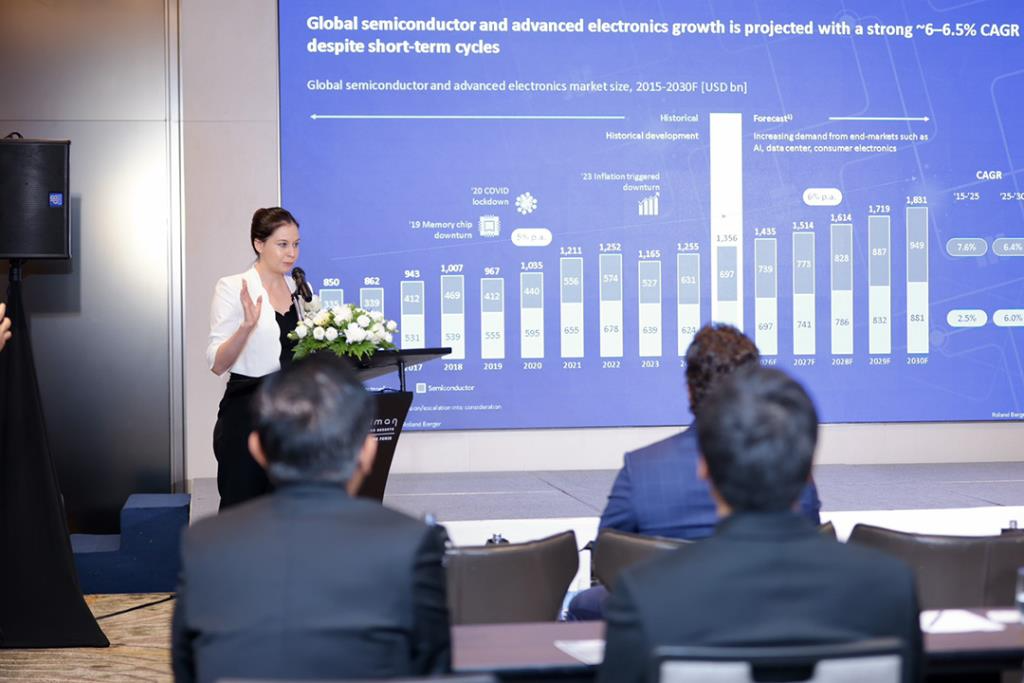
This forum also provided perspectives from The Semiconductor Industry Association (SIA) helps reflect global market trends in industry, technology, and skills, which are then used to design modern curricula, training programs, and human resource development systems in Thailand. This ensures that these programs are relevant to the industry and can compete internationally.
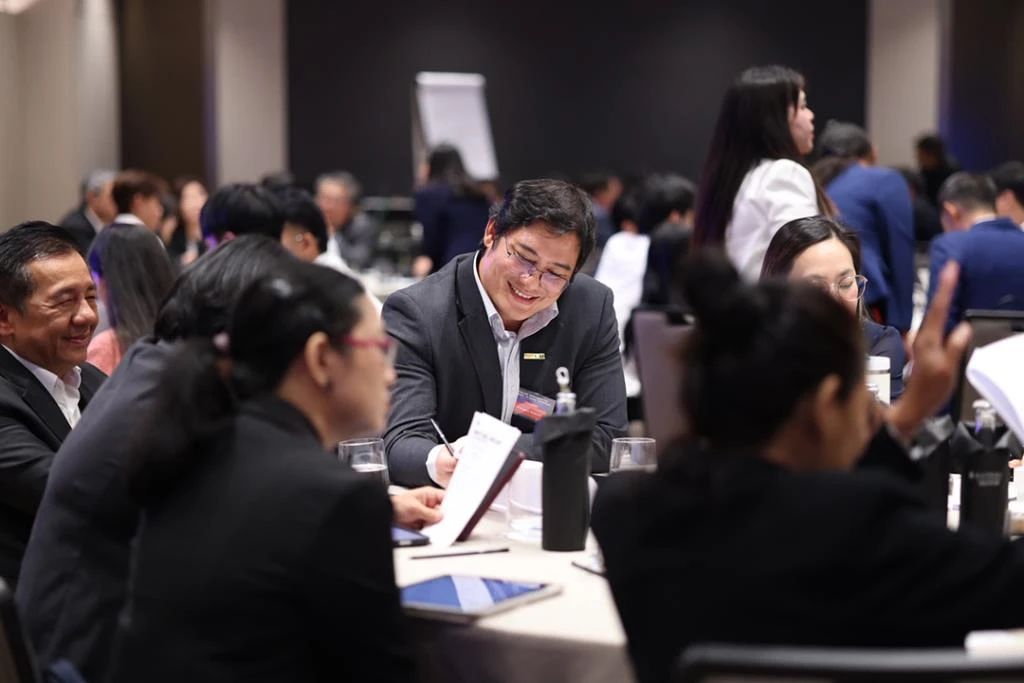
The Thailand Semiconductor Roadmap Co-Design Workshop included presentations on national policy directions, exchange of perspectives from global industry experts, and breakout sessions on six key issues: workforce development, infrastructure, innovation, and business facilitation. The outcomes of this workshop will be used as crucial data for developing the Thailand Semiconductor Roadmap and driving concrete implementation in the next phase.